


What Is Celo?
Celo is an EVM-compatible Ethereum Layer 2 built on the OP Stack and optimized for global stablecoin payments. It launched in April 2020 as an independent mobile-first Layer 1 developed by cLabs with support from the Celo Foundation, and on March 26, 2025 completed its migration to an Ethereum Layer 2 - keeping its mission of financial inclusion while inheriting Ethereum’s security. Celo uses EigenDA v2 for data availability, which keeps average fees around $0.0005 with block times of about one second. As of mid-2026, the network processes over $6.2 billion in monthly stablecoin volume and serves around 700,000 daily active users. For the full story of the network, see A Beginner’s Guide to Celo Blockchain.
What Is a Celo Wallet?
A Celo wallet is an app that stores the private keys to your address on the Celo network and lets you hold, send, and receive CELO, Celo stablecoins, and other tokens issued on the chain. Because Celo is EVM-compatible, a Celo address is a standard 42-character 0x address - the same format used by an Ethereum wallet - and the network supports ERC20 tokens.
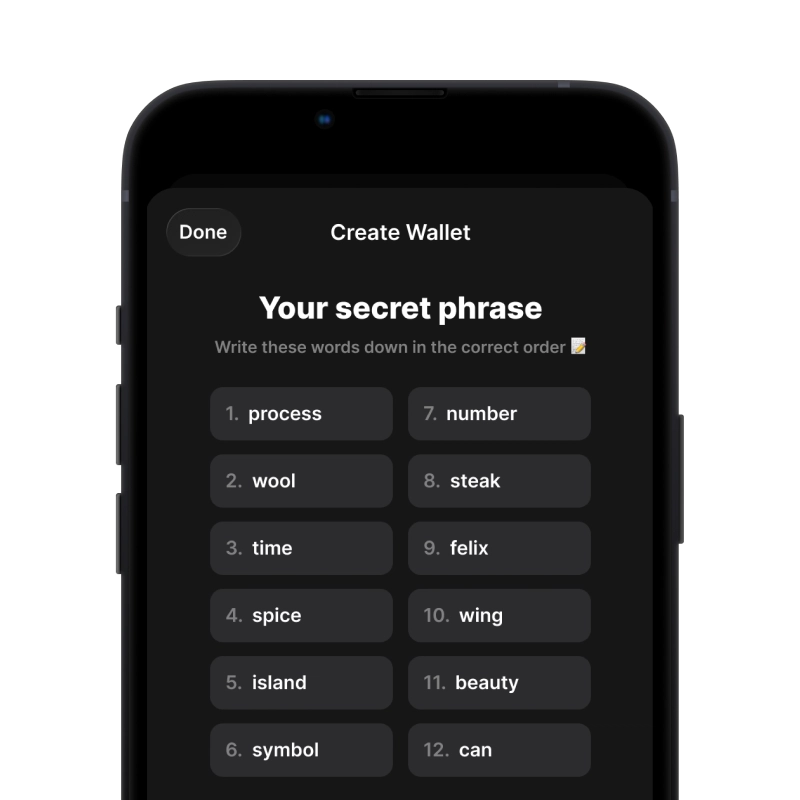
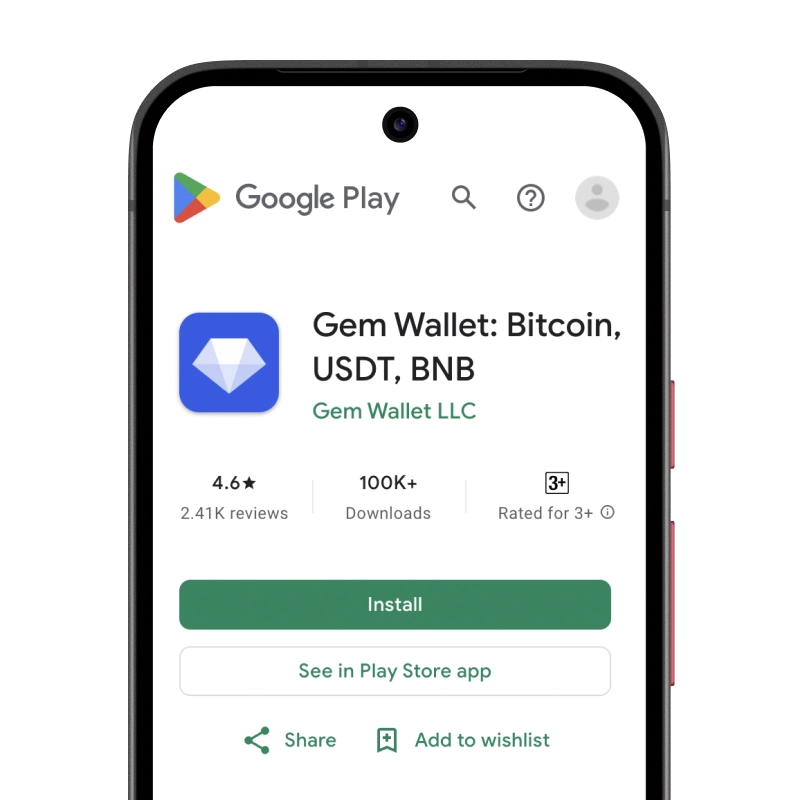
Gem Wallet is a self-custodial Celo wallet: your keys are generated and stored on your device, protected by a single 12-word recovery phrase that also covers every other network in the app. Gem Wallet has supported Celo with full send, receive, buy, and swap functionality since April 12, 2026 - no accounts, no KYC, no tracking.
Celo Stablecoins and Fee Abstraction
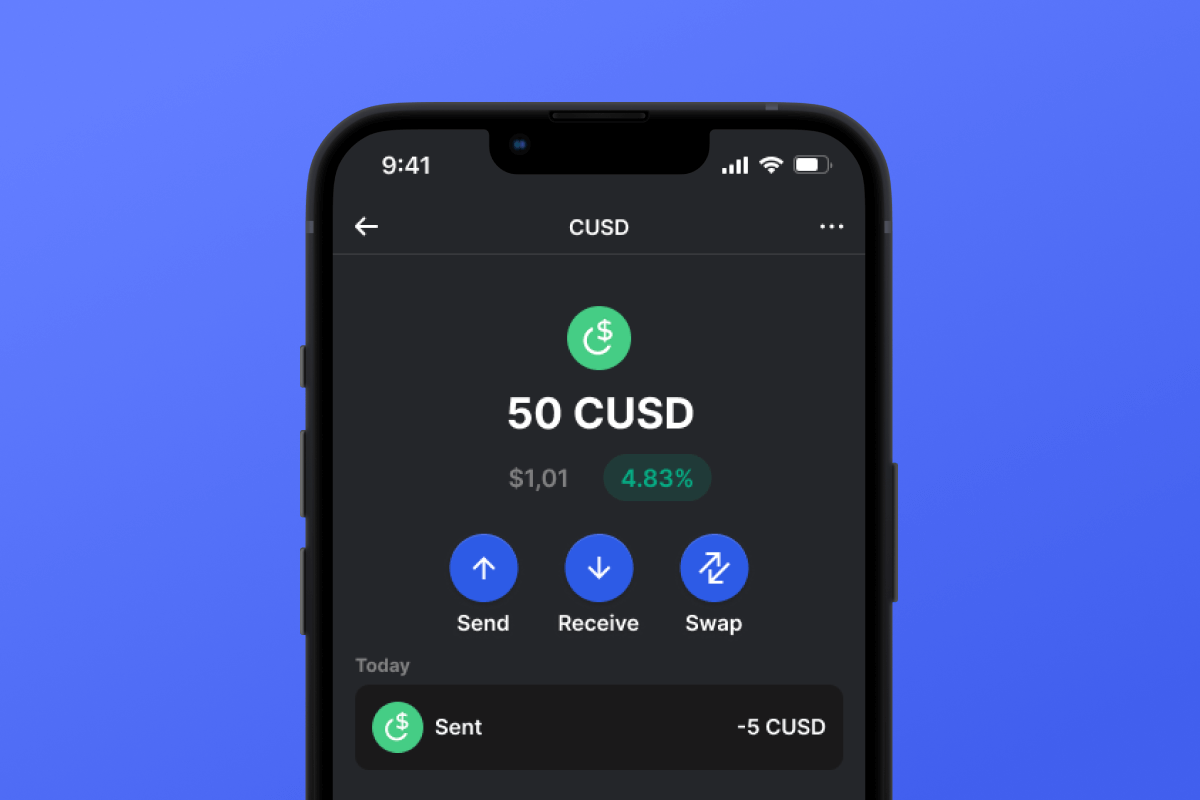
The Celo ecosystem includes native stablecoins issued through the Mento protocol: cUSD (pegged to the US dollar), cEUR (euro), and cREAL (Brazilian real). Alongside them, USDT and USDC are natively issued on Celo, giving the network some of the deepest stablecoin rails among Ethereum Layer 2s.
Celo’s signature feature is fee abstraction: transaction fees can be paid in cUSD, USDT, or USDC instead of the native token. It is one of the few networks where you can receive stablecoins and start sending them right away, without first acquiring CELO for gas.
Best for: remittances, everyday payments, and merchant transfers - anywhere sub-cent fees and stablecoin-denominated gas matter more than raw DeFi depth.
CELO Token and Governance
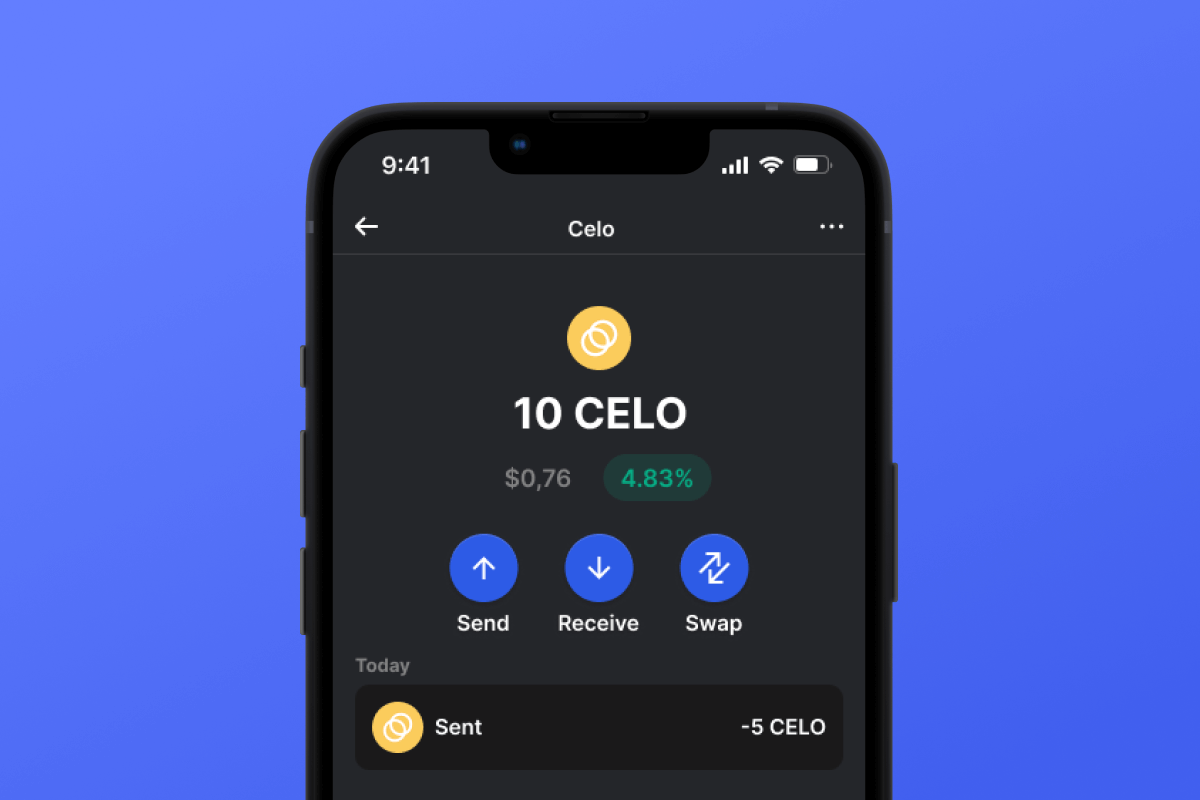
CELO is the native asset of the Celo network, with a supply capped at 1,000,000,000 tokens - a cap preserved through the Layer 2 migration. CELO is used to pay network fees (when fee abstraction is not used) and to vote in on-chain governance: holders lock CELO to decide on protocol upgrades, treasury spending, and ecosystem programs.
Why Gem Wallet for Celo
- Self-custody: only you control the private keys to your CELO and stablecoins - Gem Wallet never has access to your assets.
- Open source: the wallet’s code is fully public, so anyone can verify how the Celo integration works.
- Send and receive: transactions on Celo confirm in seconds with average fees around $0.0005.
- Buy CELO: buy CELO from as little as $5 with a credit or debit card, Apple Pay, Google Pay, or a bank transfer through integrated fiat on-ramp providers.
- Swap: exchange CELO for ETH, USDT, and other assets through a built-in DEX aggregator that routes each trade for the best available rate.
- One app, 100+ chains: manage Celo alongside Bitcoin, Ethereum, Solana, TRON, and every other supported network with one recovery phrase.
Celo Before and After the Ethereum L2 Migration
| Parameter | Celo L1 (2020-2025) | Celo L2 (since March 2025) |
|---|---|---|
| Architecture | Independent Layer 1 | Ethereum Layer 2 on the OP Stack |
| Block time | 5 seconds | ~1 second |
| Average fee | Under $0.01 | ~$0.0005 |
| Data availability | Own validator set | EigenDA v2 |
| Security | Celo Proof-of-Stake | Anchored to Ethereum |
Data source: A Beginner’s Guide to Celo Blockchain
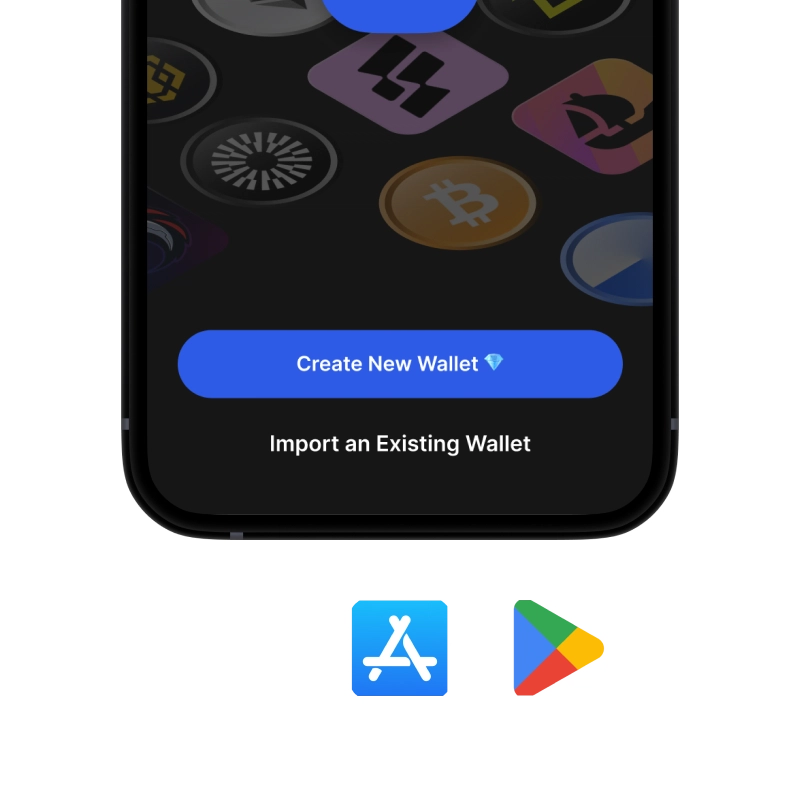
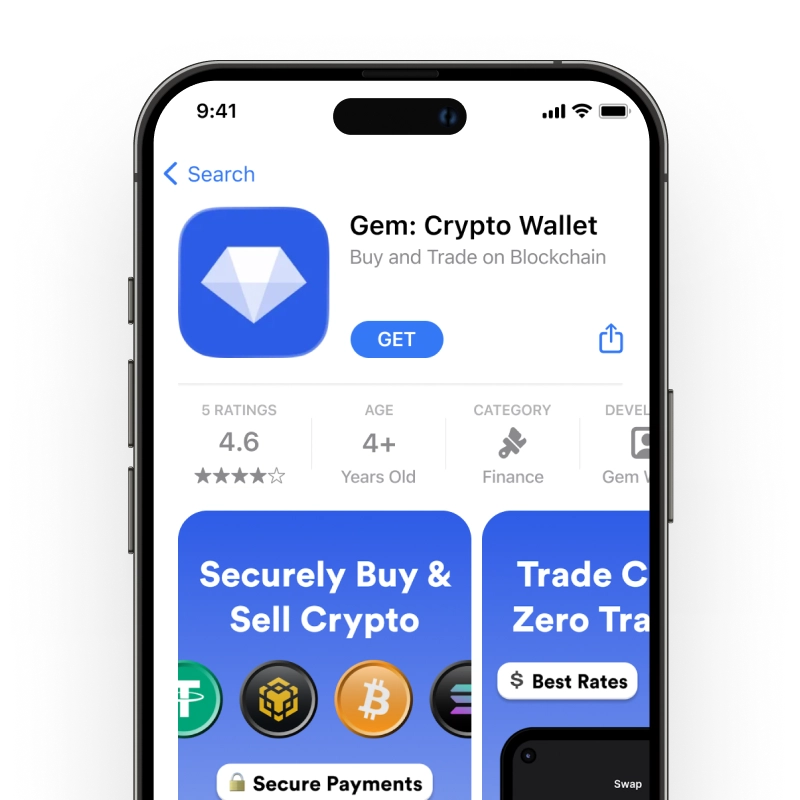
Download Gem Wallet and create your Celo wallet in under two minutes - buy, send, and swap CELO and Celo stablecoins with your keys always in your hands.