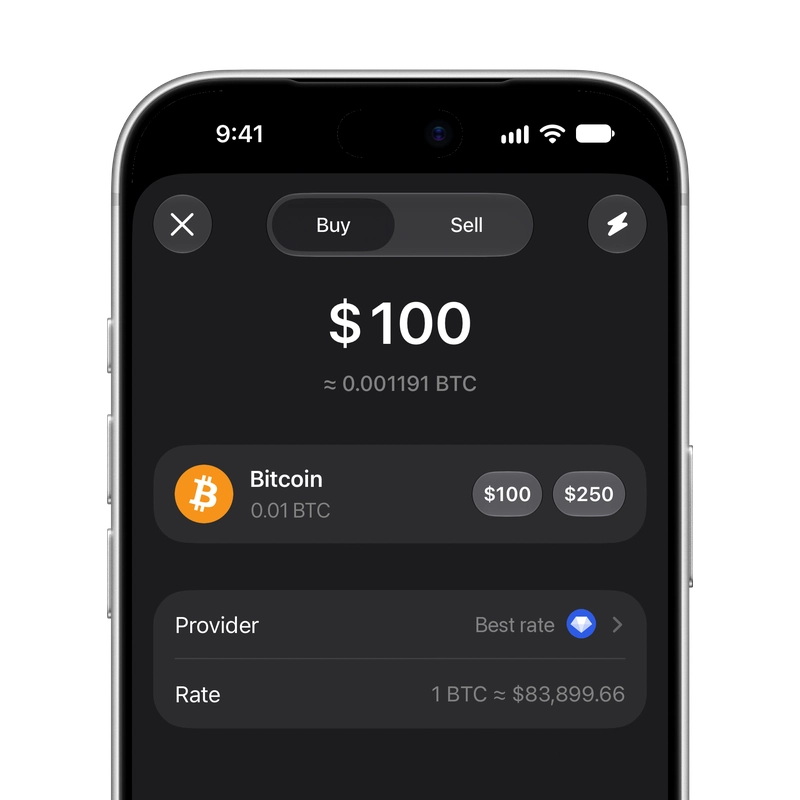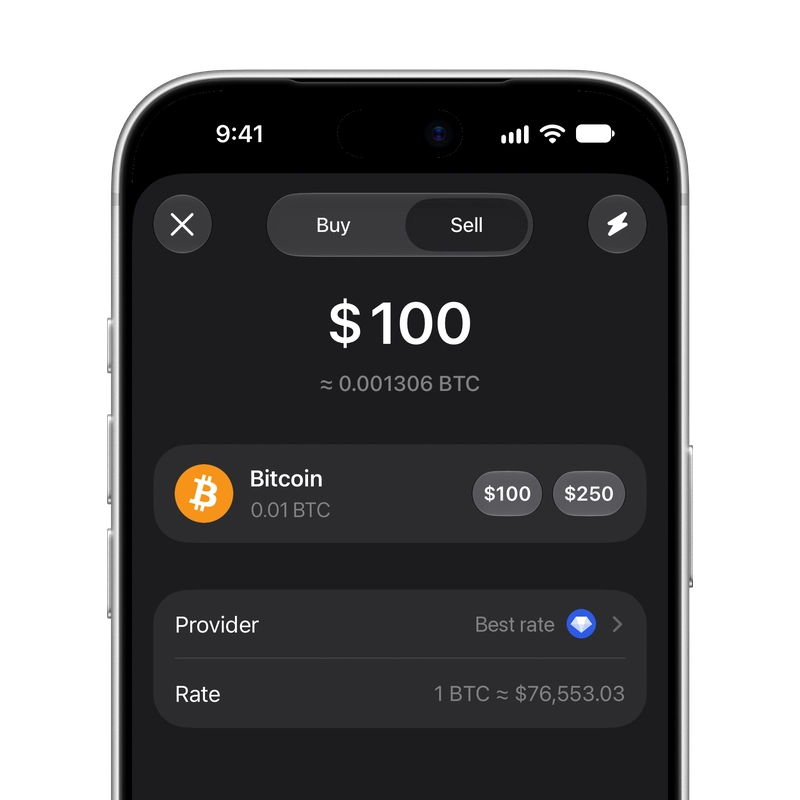



What Is a Cross-Chain TRX to BTC Swap?
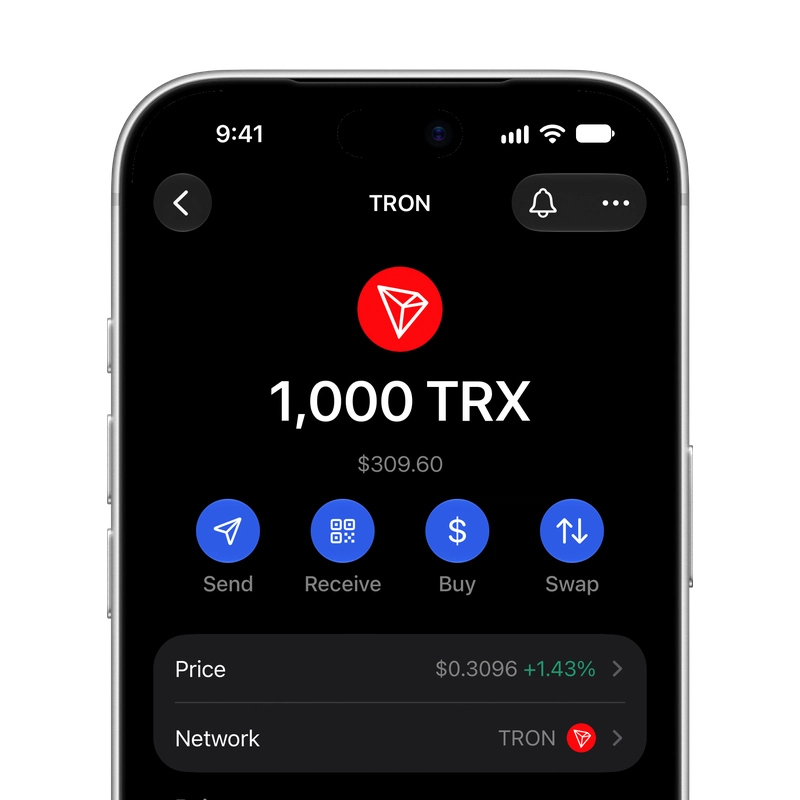
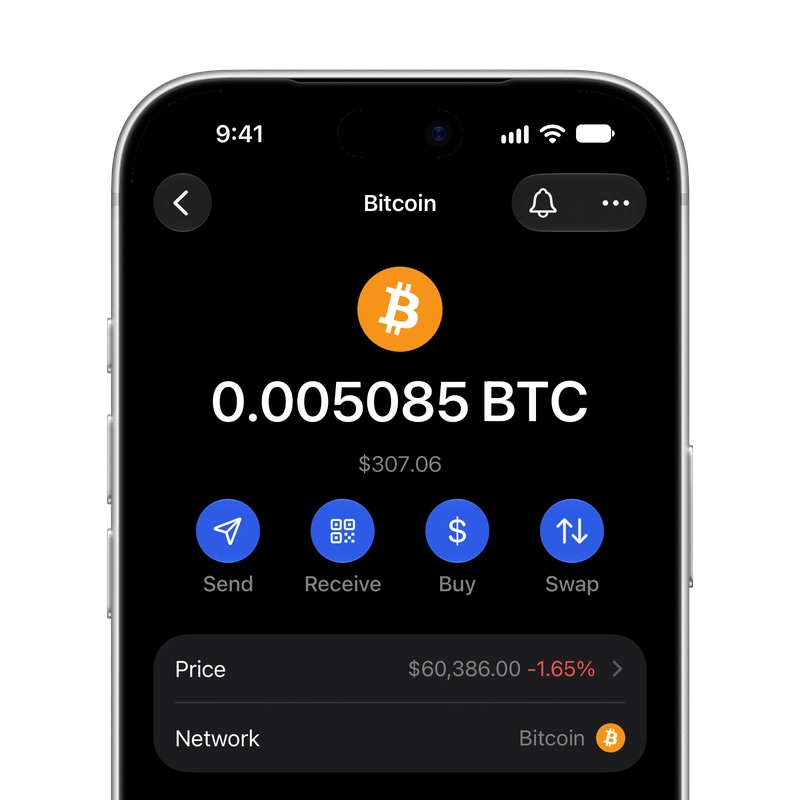
A TRX to BTC swap turns TRX, the native coin of TRON, into BTC on Bitcoin. TRON is built for fast, cheap movement: blocks every 3 seconds, TRC20 stablecoins, staking that pays rewards in TRX. Bitcoin is built to hold value: a fixed supply of 21 million coins and a chain that changes slowly. People make this swap when they want part of what they earned on TRON, from a TRX rally or from staking rewards, to sit in Bitcoin instead. TRX cannot be sent to a bc1 address, and there is no TRX inside Bitcoin, so the swap is cross-chain: TRX leaves your TRON account, a provider takes it on TRON and pays real BTC on the Bitcoin network, not a token that stands for it. Both coins stay in one Gem Wallet, under the same recovery phrase.
How Gem Wallet Finds the Best Rate
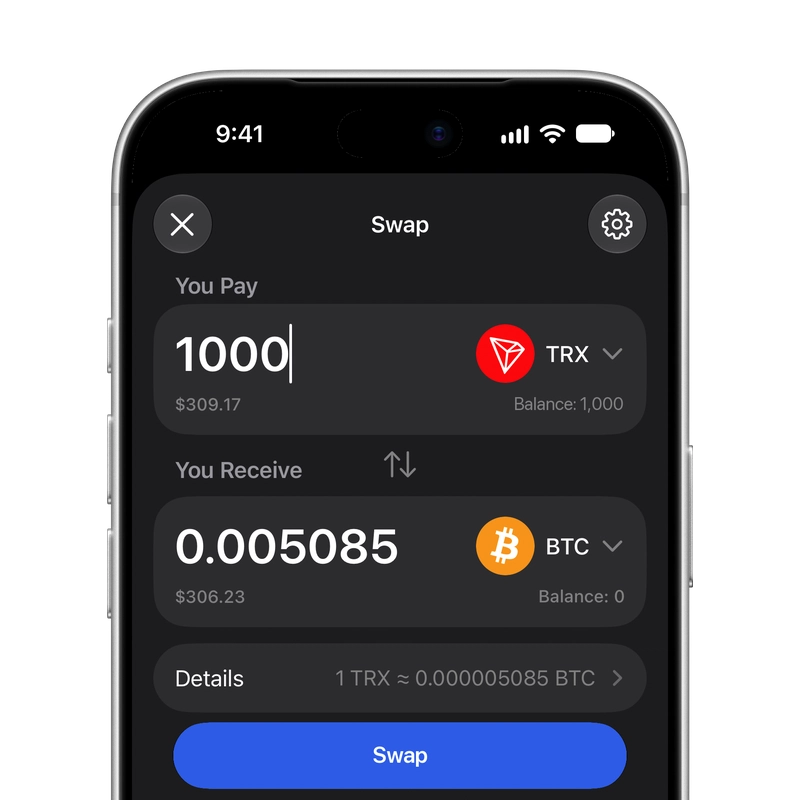
On this pair the quotes differ in how the TRX leaves your account, and Gem Wallet checks each kind before you sign. THORChain takes the TRX as a deposit to the TRON vault it uses at that moment; the vault rotates, so each quote names its own. Relay sends the TRX into its depository contract on TRON, and Gem Wallet accepts that quote only if the contract is the one it ships for Relay, both in the quote list and again at Confirm. Chainflip goes through its vault on TRON, and at Confirm Gem Wallet checks the exact TRX amount, the asset, network and bc1 address the BTC is paid to, your refund address and the minimum price. A quote that names any other contract is refused. Out of 20+ swap providers, THORChain wins whenever it comes within 0.1% of the best BTC amount, because it trades on-chain; the quote you pick shows the rate, the estimated time and the minimum BTC, and Gem Wallet’s fee is already part of it.
TRX to BTC Networks & Fees
TRX always leaves from TRON and BTC always arrives on Bitcoin. Your network fee is paid on TRON, in TRX, and its size depends on what the provider’s deposit needs:
| Network | Its part | Network fee | Typical time |
|---|---|---|---|
| TRON - plain TRX transfer | You send TRX to the provider’s TRON vault | About $0.09 (0.3 TRX) when the account has no bandwidth left | About 3 seconds per block |
| TRON - contract deposit | You send TRX into the provider’s contract | Up to about $9.66 (31.1 TRX) on an account with no energy | About 3 seconds per block |
| Bitcoin | The provider pays native BTC to your bc1 address | Nothing for you to pay - it is in the quote; a later BTC send costs about $0.17 at Normal | About 10 minutes per block |
From your TRON transaction to BTC at your bc1 address, a TRX to BTC swap usually takes about 10-30 minutes, most of it waiting for the Bitcoin payout block.
Network fees: Gem Wallet gas tracker, 2026-11-24 UTC; typical cross-chain times: completed Gem Wallet swaps, September-November 2026.
Live network fees for every chain: Gem Wallet gas tracker.
The gap between the two TRON rows is energy. If you have staked TRX, the energy and bandwidth it gives you are spent first, and the TRX fee drops toward zero; without them, TRON burns TRX at the network price. So compare quotes by the BTC amount you get and by the fee on Confirm together: the best rate through a contract deposit can cost more in TRX than a slightly lower rate through a plain transfer. When you swap your entire TRX balance through a provider that calls a contract, Gem Wallet keeps a small TRX reserve in the wallet, because the energy can come out higher than the fee shown.
The time sits on the Bitcoin side. Your TRON transaction confirms in seconds, then the BTC payout waits for a Bitcoin block, about 10 minutes. Once the BTC is at your bc1 address, every later send is priced by size in sat/vB, and you choose the rate yourself. To go back to TRX for TRON fees, use BTC to TRX.