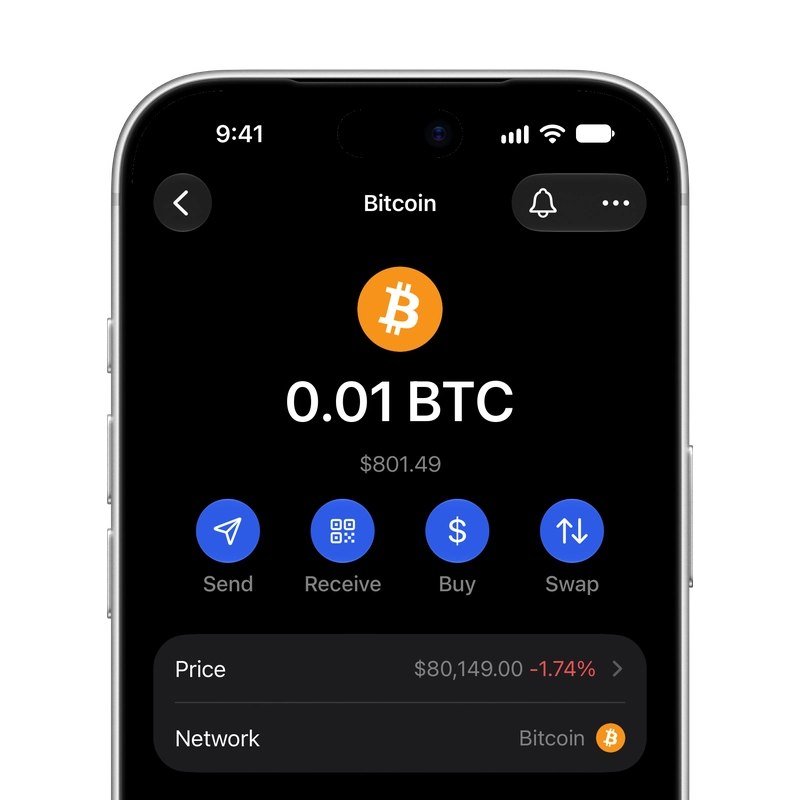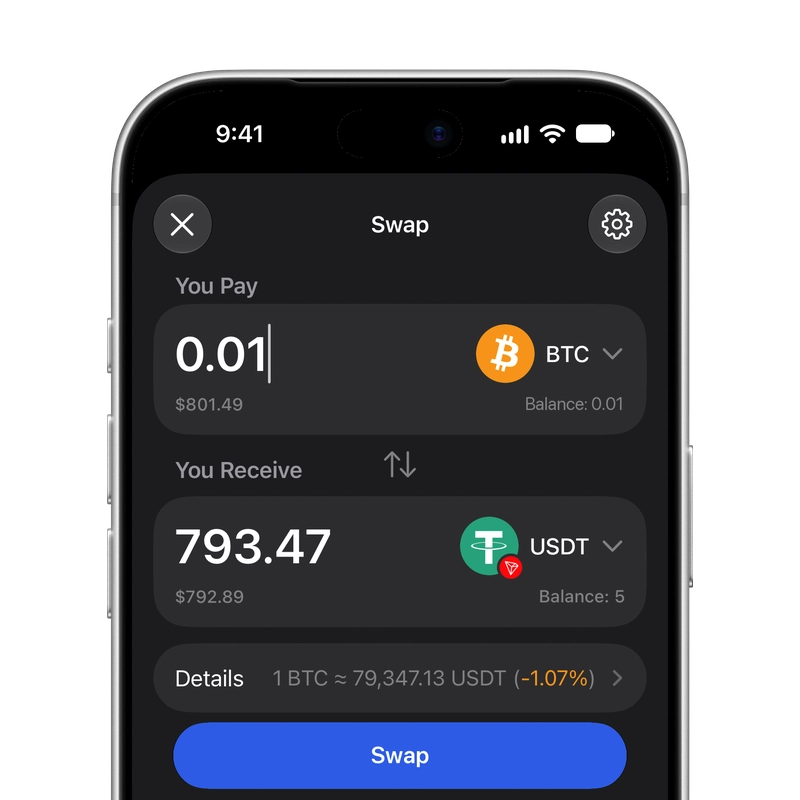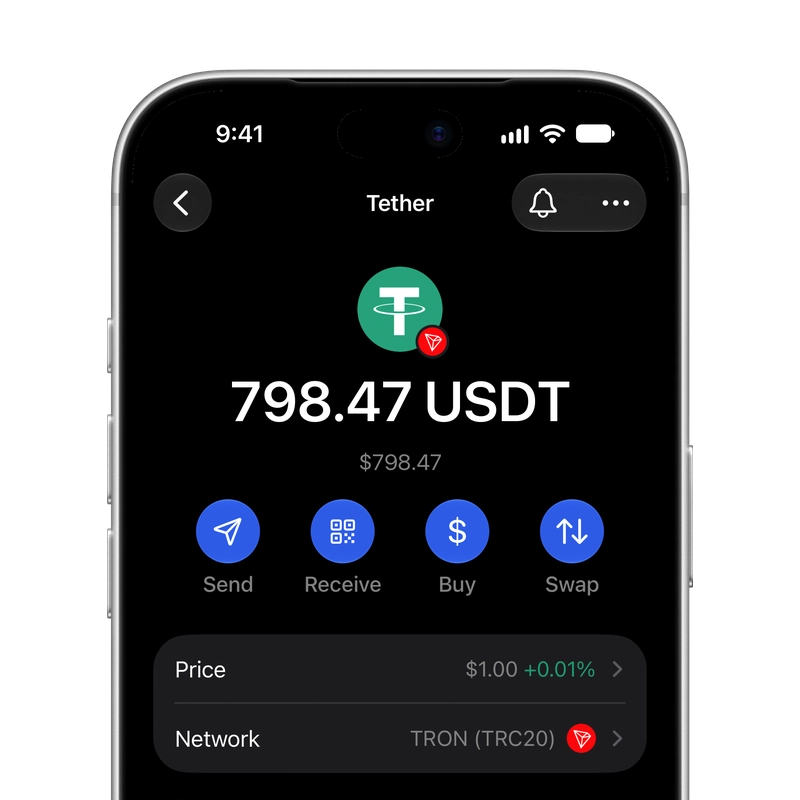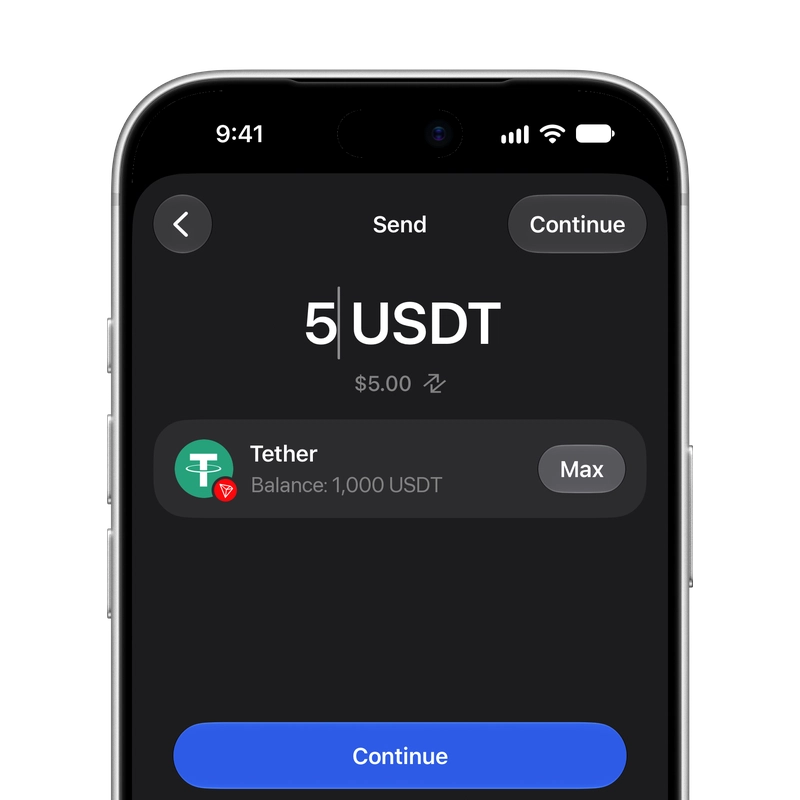


What Is a Cross-Chain BTC to USDT Swap?
A BTC to USDT swap is a cross-chain swap: Bitcoin runs on its own independent blockchain, while USDT is issued on networks such as TRON, Ethereum, Solana, BNB Chain and TON. A cross-chain swap moves value between two separate blockchains through protocols like THORChain and Chainflip, which exchange native assets directly - without wrapped tokens, custodial bridges or an exchange account. Unlike a trade on a centralized exchange, there is no deposit address and no order book: you send real BTC from your wallet and receive real USDT on the network you choose.
How Gem Wallet Finds the Best Rate
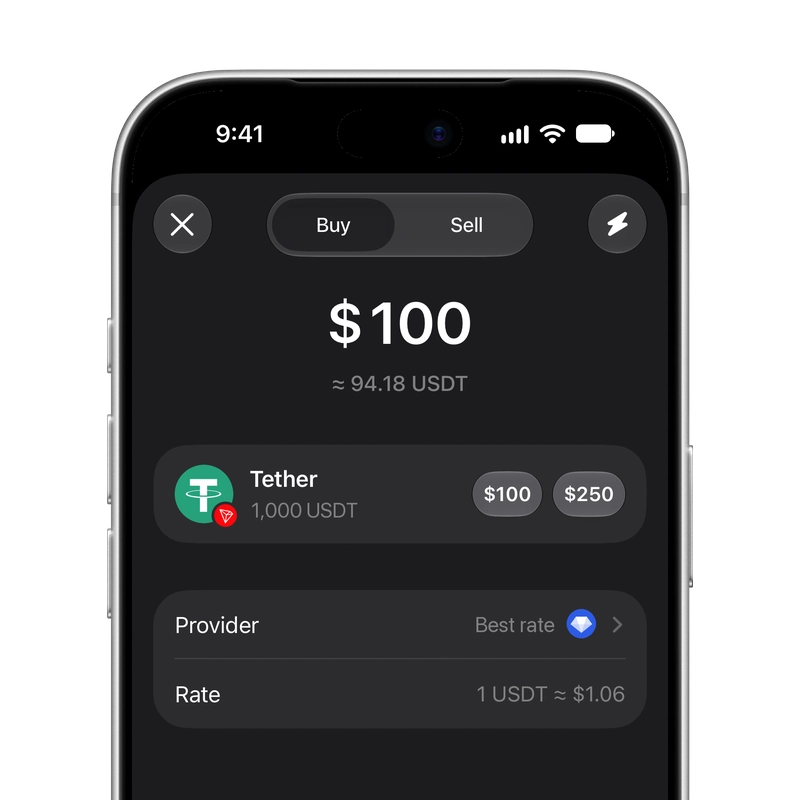
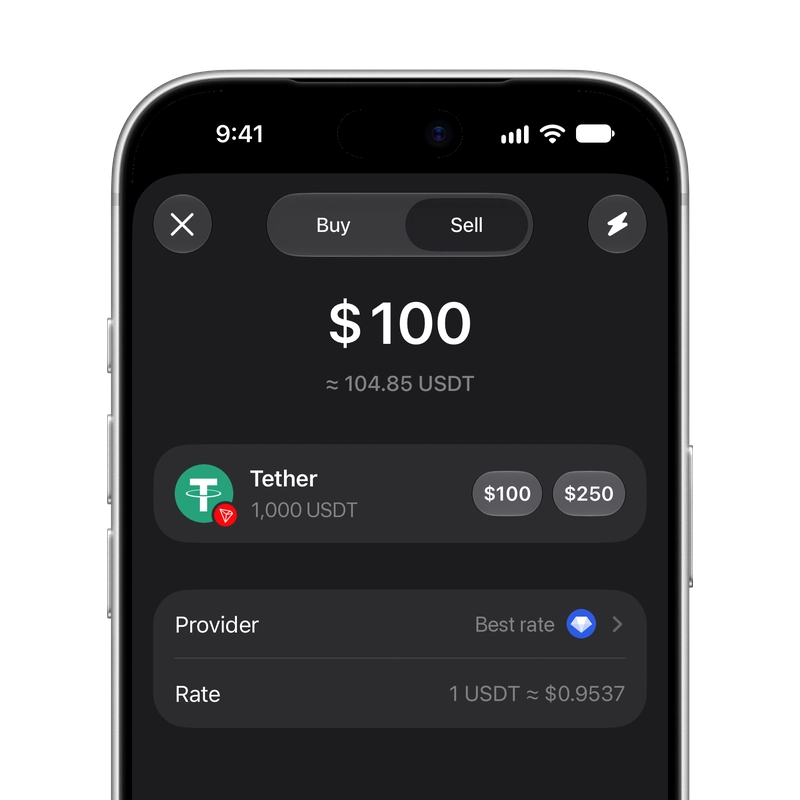
Gem Wallet handles the cross-chain routing in the background: it requests live quotes from 20+ swap providers, including THORChain and Chainflip, and picks the best available route for your amount. The quote shows the full cost of the swap - the exchange rate, the network fees and the provider fee - before you confirm anything.
BTC to USDT Networks & Fees
Every BTC to USDT swap carries two network fees: the Bitcoin transaction fee on the sending side and the fee of the network where your USDT arrives. Before the swap you pick the receiving network - it decides where your USDT will live and what your future transfers will cost:
| Receiving network | Future transfer cost | Best for |
|---|---|---|
| Ethereum (ERC20) | Low | DeFi, trading and holding - the largest USDT supply and the deepest swap routes |
| TRON (TRC20) | Moderate | Payments and remittances - the most used network for USDT transfers |
| Solana | Very low | Fast transfers and DEX trading |
| TON | Very low | Telegram-native payments and P2P transfers |
| BNB Chain (BEP20) | Low | Low-cost activity inside the BNB Chain ecosystem |
For the current cost of a transfer on every network, see the live USDT transfer fees.
Pick the network you will actually use the USDT on - the swap itself works the same for all of them, and the quote already includes the delivery to your chosen network. If you just want to hold USDT or trade it later, Ethereum is the safe default; if you regularly send USDT to people or merchants, match the network they use.
The total swap time is the sum of two legs: the Bitcoin transaction plus the USDT delivery. The Bitcoin leg comes first and sets the pace - blocks arrive roughly every 10 minutes and the swap needs at least one confirmation before providers convert your BTC. The USDT leg is quick: once Bitcoin confirms, the converted USDT usually lands in your wallet within minutes on any of the networks above.