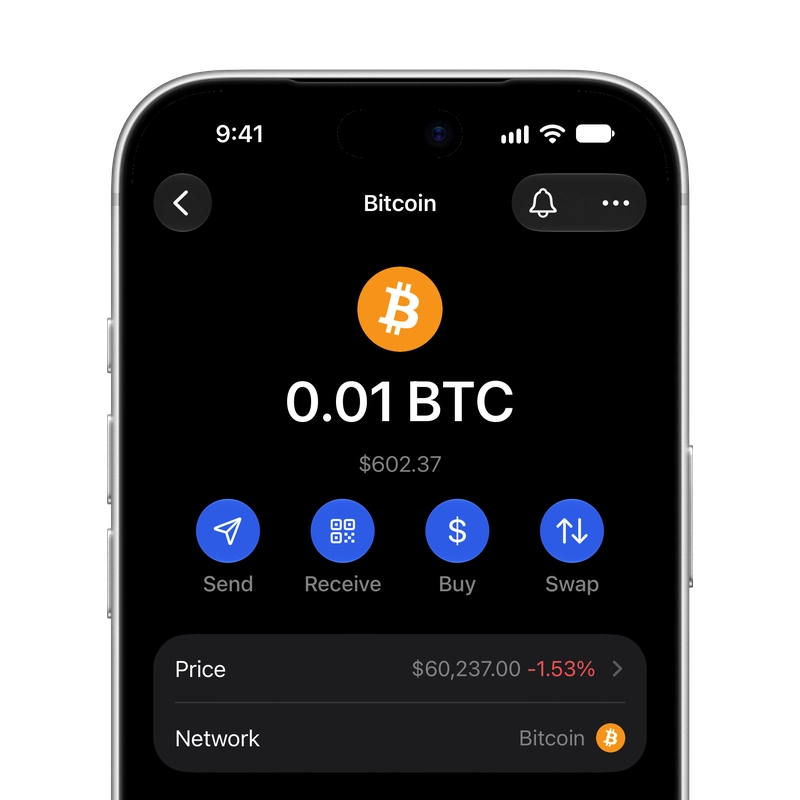


What Is a Cross-Chain BTC to USDC Swap?
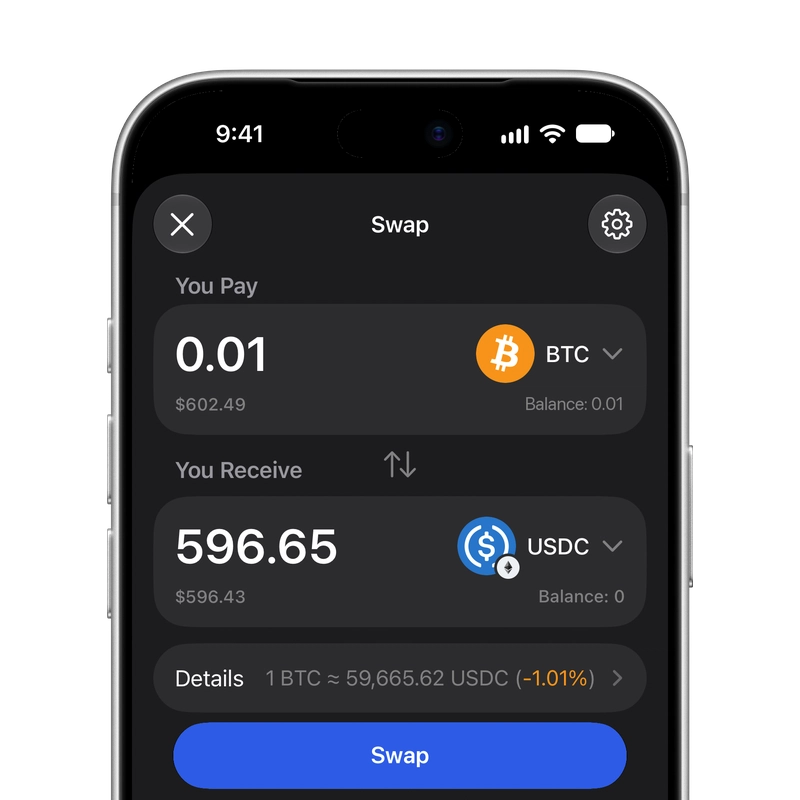
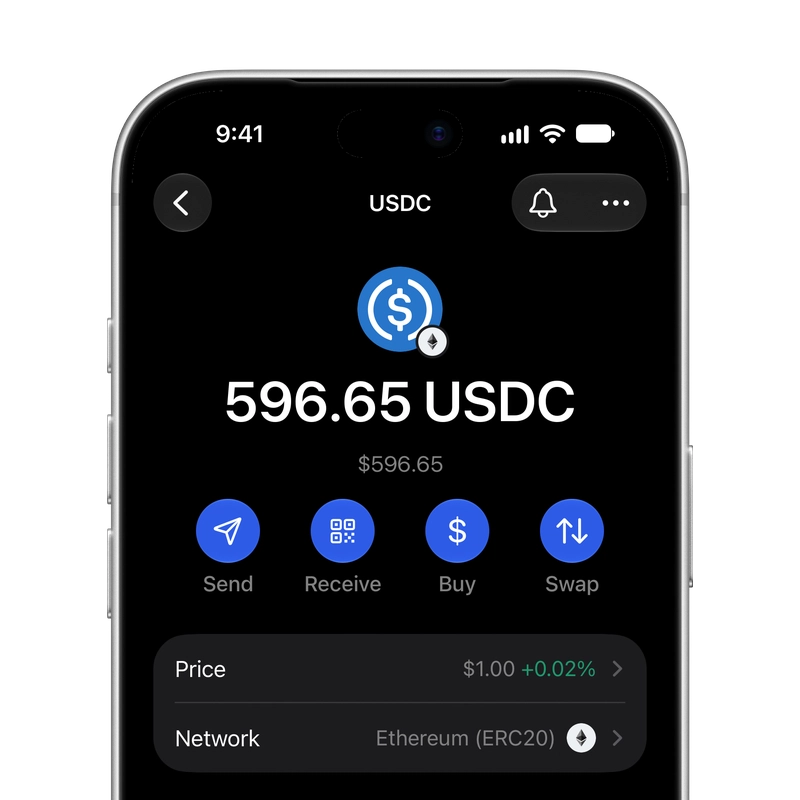
A BTC to USDC swap turns Bitcoin into USDC, the dollar stablecoin that Circle issues and redeems 1:1 for US dollars. Bitcoin has its own blockchain and no USDC lives on it, so the swap is always cross-chain: you send BTC from your bc1 address, and a provider pays out USDC on another network from its own liquidity. People make this swap to lock in the dollar value of their Bitcoin after a rise, to keep part of their savings out of Bitcoin’s price swings without cashing out to a bank, or to get the stablecoin that lending apps, exchanges and payment services settle in. What lands is Circle’s native USDC on the network you pick, the same token that Circle redeems, not a copy issued by a bridge. Circle no longer issues USDC on TRON (it stopped in February 2024), so for a dollar stablecoin there swap BTC to USDT instead. To get money into a bank account, sell Bitcoin for fiat. The way back is USDC to BTC.
How Gem Wallet Finds the Best Rate
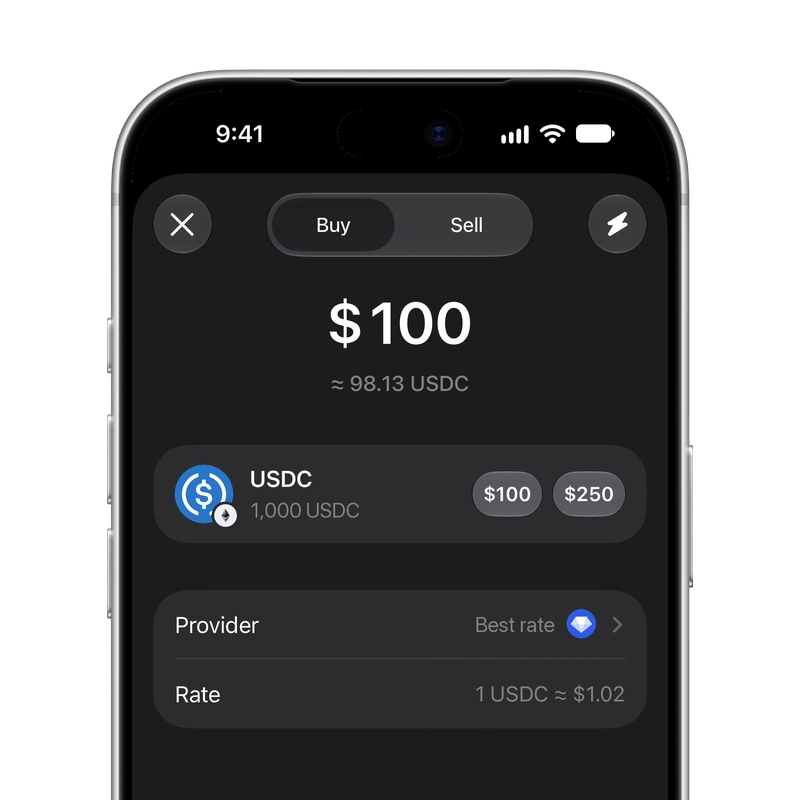
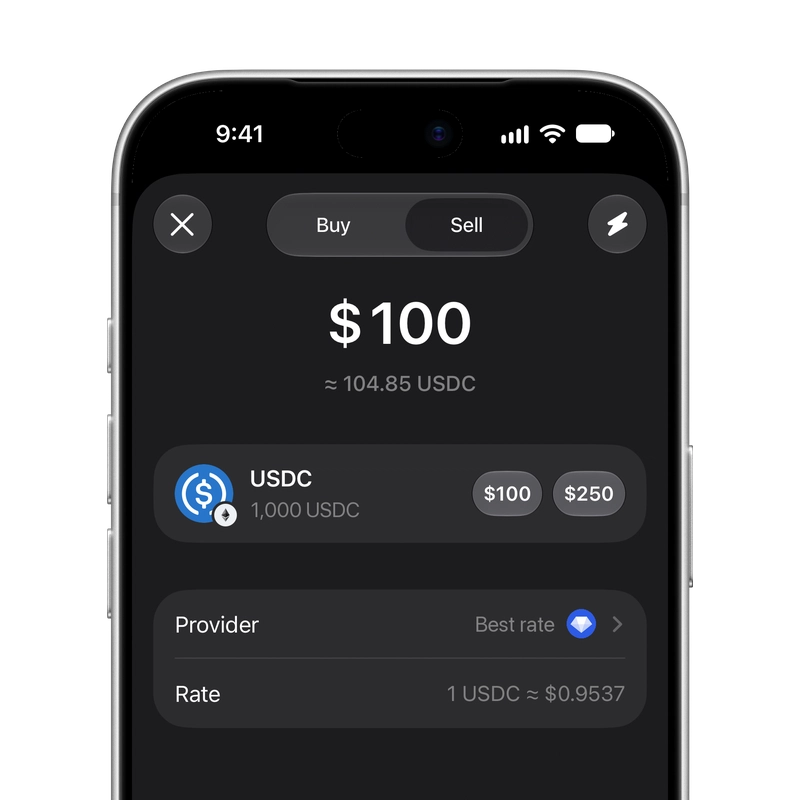
Your BTC always leaves the same way, in one Bitcoin transaction, so what decides the providers is the network where USDC should arrive. For USDC on Ethereum and on Base, THORChain and Relay both quote: THORChain receives the BTC in its vault, swaps it through its own pools and sends the USDC out of its vault on that network, while Relay pays USDC through solvers who front it from their own funds. For USDC on Arbitrum, Polygon and Solana, Relay is among the providers that quote. While the round is open, Providers in Details shows a row for every provider that has answered and a loading row for each one still quoting, so you see who is in the comparison. Out of 20+ swap providers, the quote that gives the most USDC comes first with its rate, estimated time and Minimum Receive, and Gem Wallet’s fee is already in that number. How Relay handles Bitcoin: Bitcoin swaps via Relay.
BTC to USDC Networks & Fees
The fee you pay for the swap itself is the Bitcoin transaction fee: about $0.17 at the Normal rate (2 sat/vB) or about $0.26 at Fast, the same whichever network receives the USDC. The provider pays the USDC payout from the quote. The receiving network decides where your USDC lives and what every later USDC transfer will cost:
| Receiving network | Your address there | Paid out by | Later USDC transfer fee | USDC arrives after the Bitcoin block |
|---|---|---|---|---|
| Ethereum (ERC20) | 0x address | THORChain or Relay | About $0.07, paid in ETH | Under a minute (12-second blocks) |
| Base | Same 0x address | THORChain or Relay | Under $0.01, paid in ETH | Seconds (2-second blocks) |
| Arbitrum | Same 0x address | Relay | Under $0.01, paid in ETH | Seconds (blocks of about 1 second) |
| Solana (SPL) | Solana address | Relay | Under $0.01, paid in SOL | Seconds (blocks of under a second) |
| Polygon | Same 0x address | Relay | Under $0.01, paid in POL | Seconds (3-second blocks) |
Network fees: Gem Wallet gas tracker, 2026-11-24 UTC; typical cross-chain times: completed Gem Wallet swaps, September-November 2026.
Live network fees for every chain: Gem Wallet gas tracker.
The Bitcoin leg sets the pace. A block arrives about every 10 minutes, and the provider pays out only after the confirmations it needs, so the last column starts counting after that wait. The Bitcoin fee depends on the size of your transaction and the sat/vB rate, not on the dollar amount, and you can set your own rate with custom network fees on Bitcoin. A lower rate is cheaper but can keep the swap waiting for a block for longer.
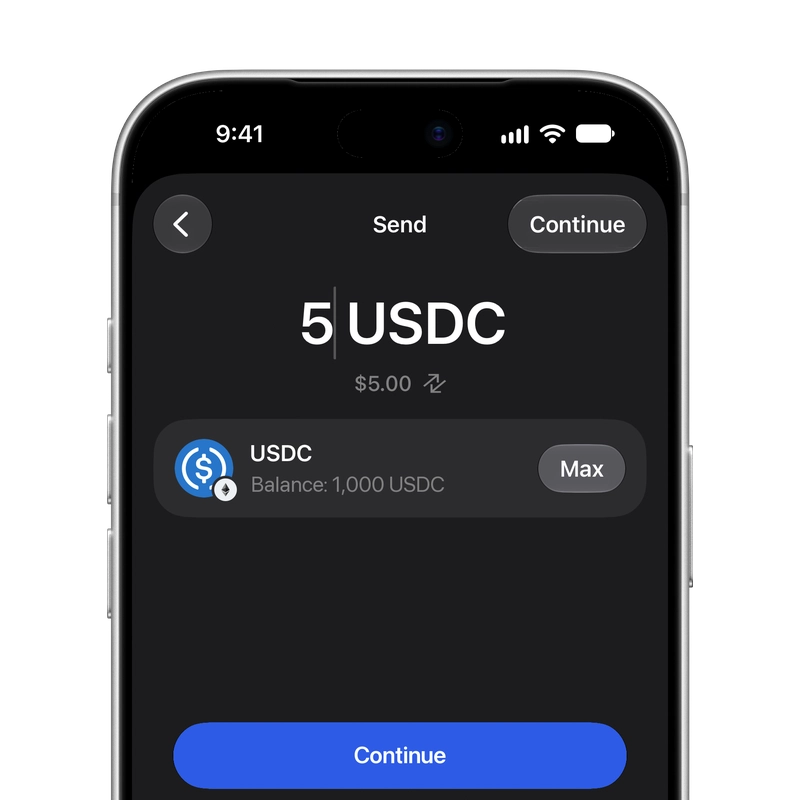
Pick the network you will use the USDC on: the app, exchange or person you pay names the network it accepts, and sending USDC to an address on another network does not move it there. A wallet that held only Bitcoin has no ETH, SOL or POL yet, so receiving works but the first USDC transfer needs a little of that coin. What stands behind each token is covered in is USDC safe to hold.