


What Is Bitcoin?
Bitcoin, commonly referred to as BTC, is the first decentralized cryptocurrency. Launched in 2009 by a pseudonymous creator known as Satoshi Nakamoto, it operates without a central authority, enabling transparent peer-to-peer transactions verified by a global network of miners. With a maximum supply capped at 21 million coins, Bitcoin is built around digital scarcity and long-term value preservation. As the pioneer of the crypto world, its open-source design and proof-of-work blockchain make it the cornerstone of digital finance. For faster and cheaper everyday payments, Bitcoin also supports the Lightning Network - a Layer 2 protocol that enables near-instant transactions with minimal fees.
What Is a Bitcoin Wallet?
A Bitcoin wallet is a digital tool that stores the private keys needed to access and manage your BTC. While your coins technically live on the blockchain, your wallet provides the secure gateway to send, receive, and control them. There are two main categories:
- Self-custody Bitcoin wallet: you control the secret phrase and private keys, so no company can freeze or move your BTC without your permission.
- Custodial wallet: a company or exchange holds your keys for you and can restrict access to your coins.
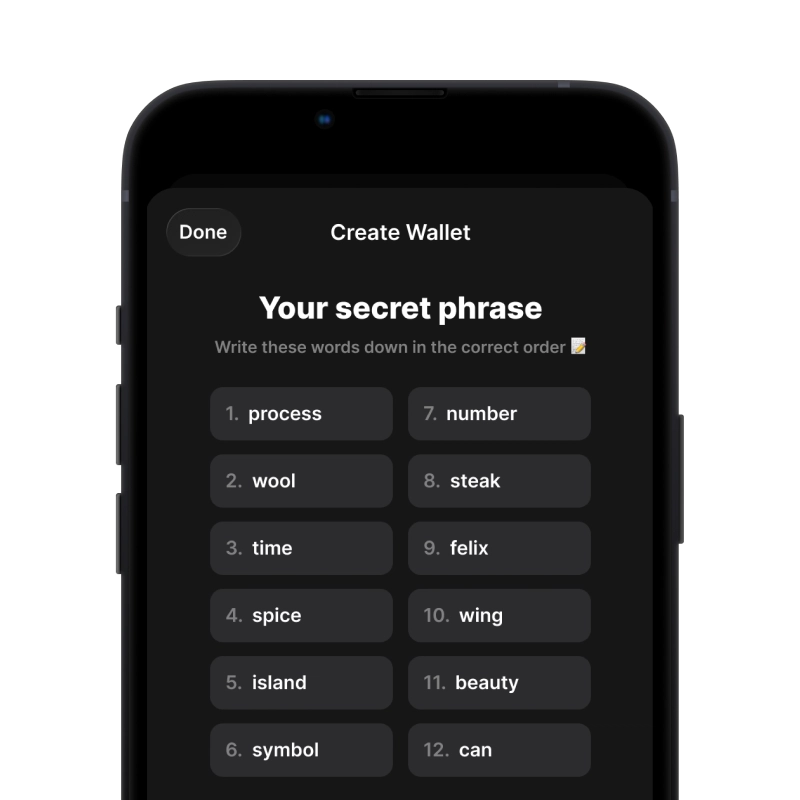
For most users who care about privacy and real ownership, a self-custody Bitcoin wallet is the preferred option. Most self-custody wallets generate your secret phrase using the BIP-39 standard - a protocol that turns a random seed into a human-readable list of 12 words. This mnemonic phrase is portable across any BIP-39 compatible wallet, so you can restore your Bitcoin on any device or app that supports the standard.
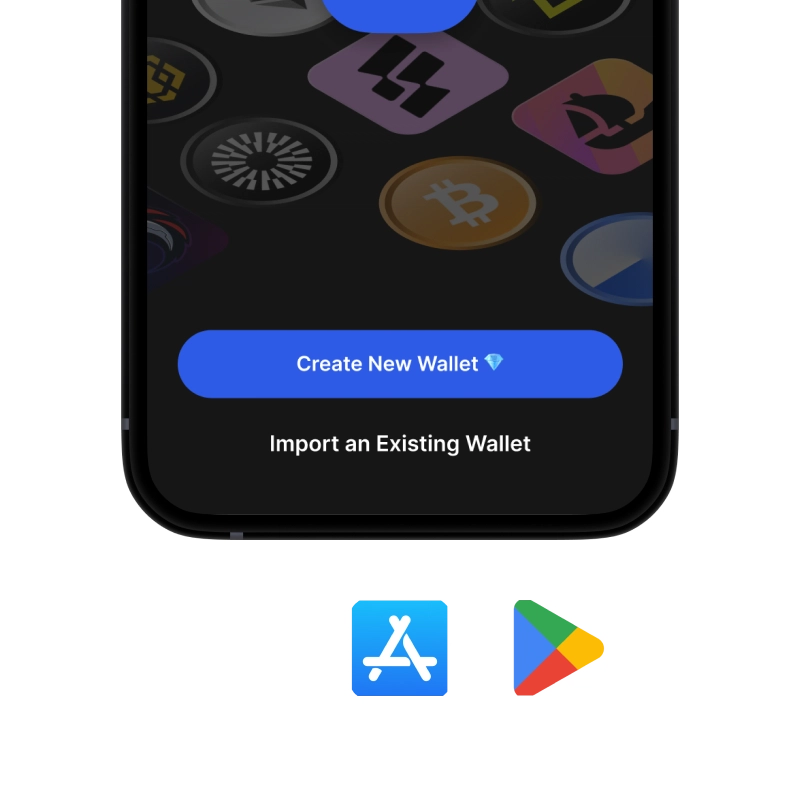
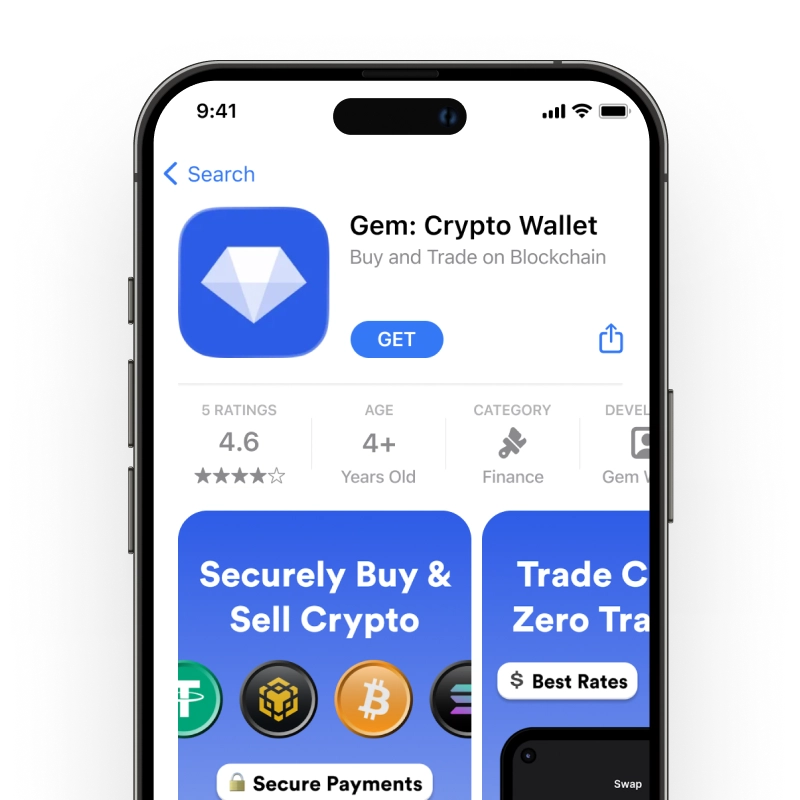
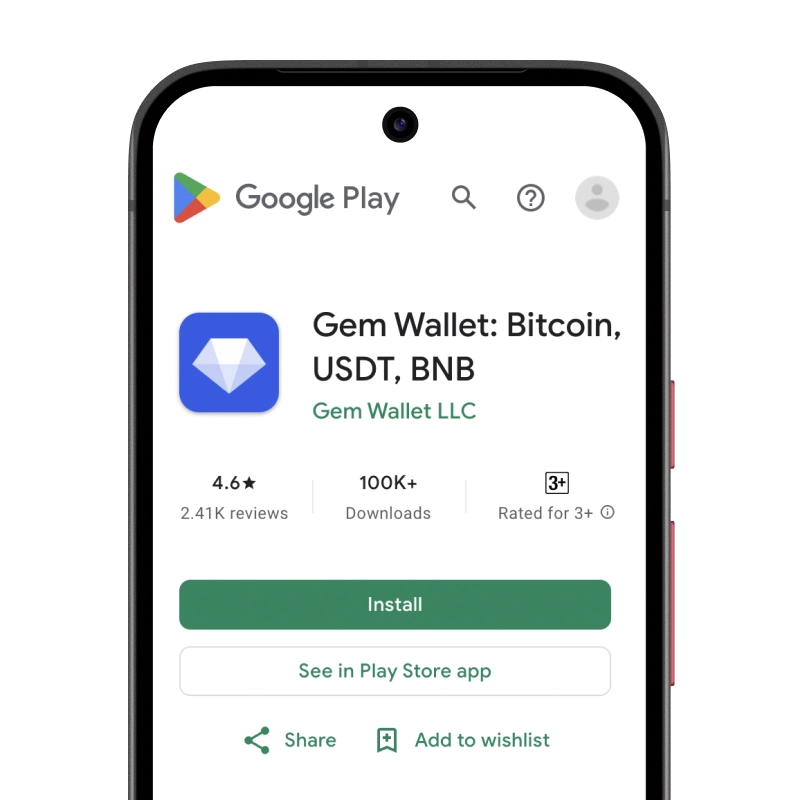
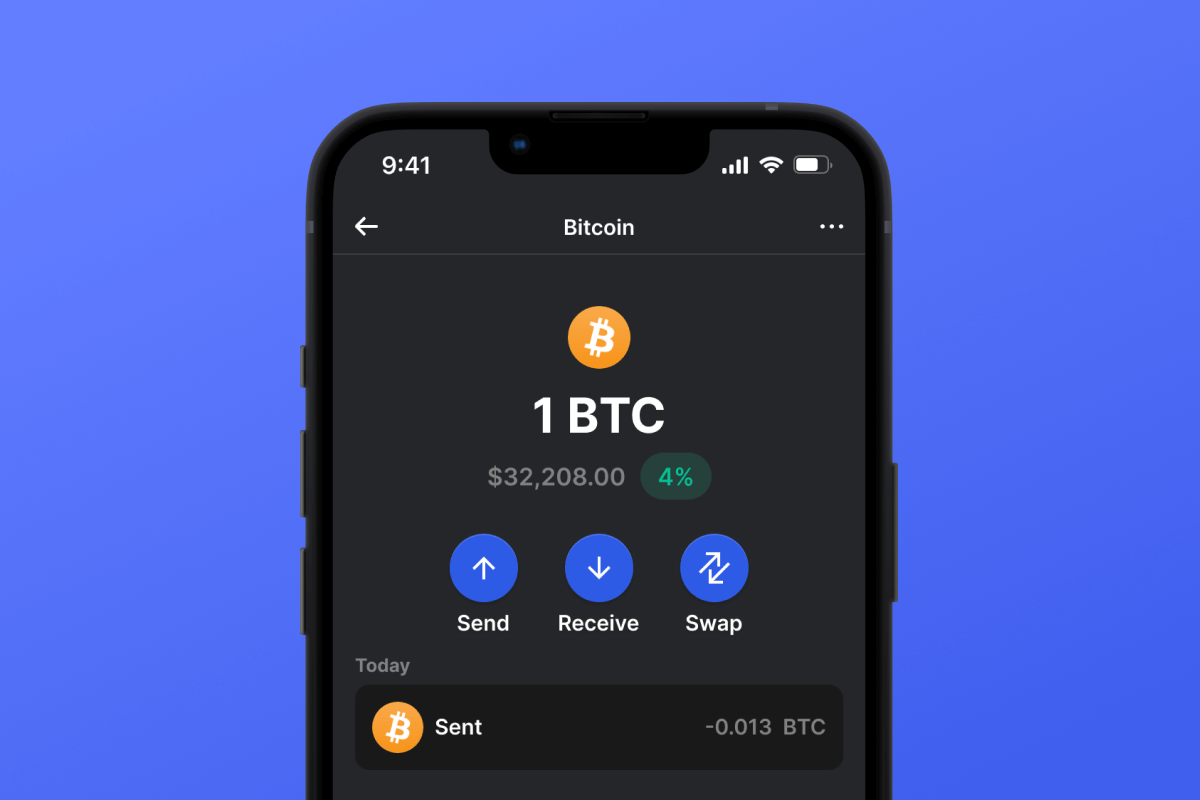
Gem Wallet is a self-custodial Bitcoin wallet for iOS, Android, and APK. It generates your BIP-39 secret phrase directly on your device, keeps your private keys under your control, and never asks for an email, account, or KYC. Gem Wallet lets you create a BTC wallet in under two minutes and then send, receive, swap, or buy Bitcoin from a single app.
Hot Wallet vs Cold Wallet: Which Is Better for You?
There is no single best Bitcoin wallet for everyone - the right choice depends on how you use BTC:
- Hot wallet for Bitcoin: great for frequent payments, trading, or sending BTC to friends. You get instant access on your phone and can react quickly to the market. A mobile self-custody app like Gem Wallet is a typical hot Bitcoin wallet.
- Cold wallet for Bitcoin: better for long-term savings and large balances. Your private keys stay offline (for example, on a hardware wallet), which reduces exposure to online attacks but makes everyday spending less convenient.
Best of both worlds: Gem Wallet supports integration with hardware wallets, so you can manage cold storage directly from the mobile app. This gives you maximum security for savings while keeping easy access when you need it.
Recommended strategy for 2026: keep 80-90% of your Bitcoin in cold storage for long-term holding, and 10-20% in a hot wallet like Gem Wallet for everyday transactions, trading, and quick access. This balanced approach maximizes both security and usability.
What Is a Bitcoin Wallet Address?
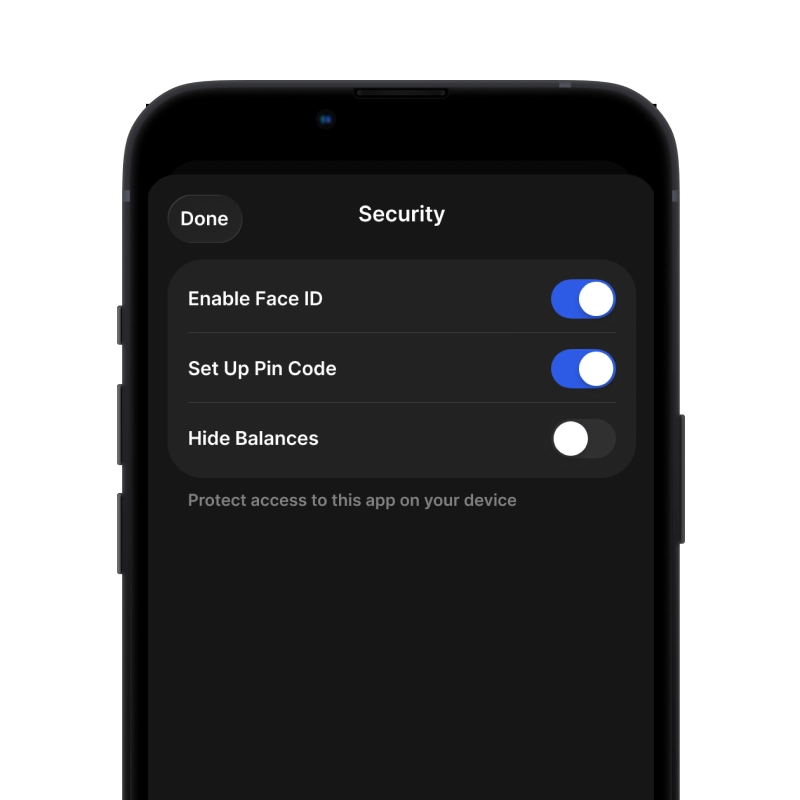
A Bitcoin wallet address is a unique string of letters and numbers that identifies where BTC can be sent on the blockchain. Think of it like an email address or bank account number for Bitcoin. Your Bitcoin address is public and safe to share with anyone who needs to send you BTC. However, never share your secret phrase, private keys, or PIN code - these give full access to your funds.
Bitcoin Address Formats
Bitcoin uses three main address formats, each identified by its prefix. The format determines transaction size and fee efficiency:
| Format | Prefix | Also Called | Fee Efficiency |
|---|---|---|---|
| P2PKH | 1... | Legacy | Highest fees |
| P2SH | 3... | Wrapped SegWit | Medium fees |
| P2WPKH | bc1q... | Native SegWit / Bech32 | Lowest fees |
Data source: How Bitcoin transaction fees work
Gem Wallet uses Native SegWit (bc1) addresses by default, ensuring the lowest transaction fees for every send.
Bitcoin Transaction Fees and the Mempool
Every Bitcoin transaction requires a fee paid to miners for including it in a block. Fees are measured in sat/vByte (satoshis per virtual byte) and fluctuate with network demand. When the mempool - the queue of unconfirmed transactions waiting to be processed - is congested, fees rise as users compete for block space. During low-traffic periods, fees can drop to just a few satoshis per byte. For a deeper breakdown, see how Bitcoin transaction fees work.
Transaction format directly affects cost: Native SegWit (bc1) transactions are smaller in virtual size than Legacy transactions, resulting in consistently lower fees for the same priority. Gem Wallet lets you choose between Slow, Normal, and Fast fee options, so you can balance speed and cost depending on urgency. Learn more about how long a Bitcoin transaction takes.
Download Gem Wallet for iOS, Android, or APK to create your self-custody Bitcoin wallet in minutes - your keys, your BTC, no account required.